Moulded products

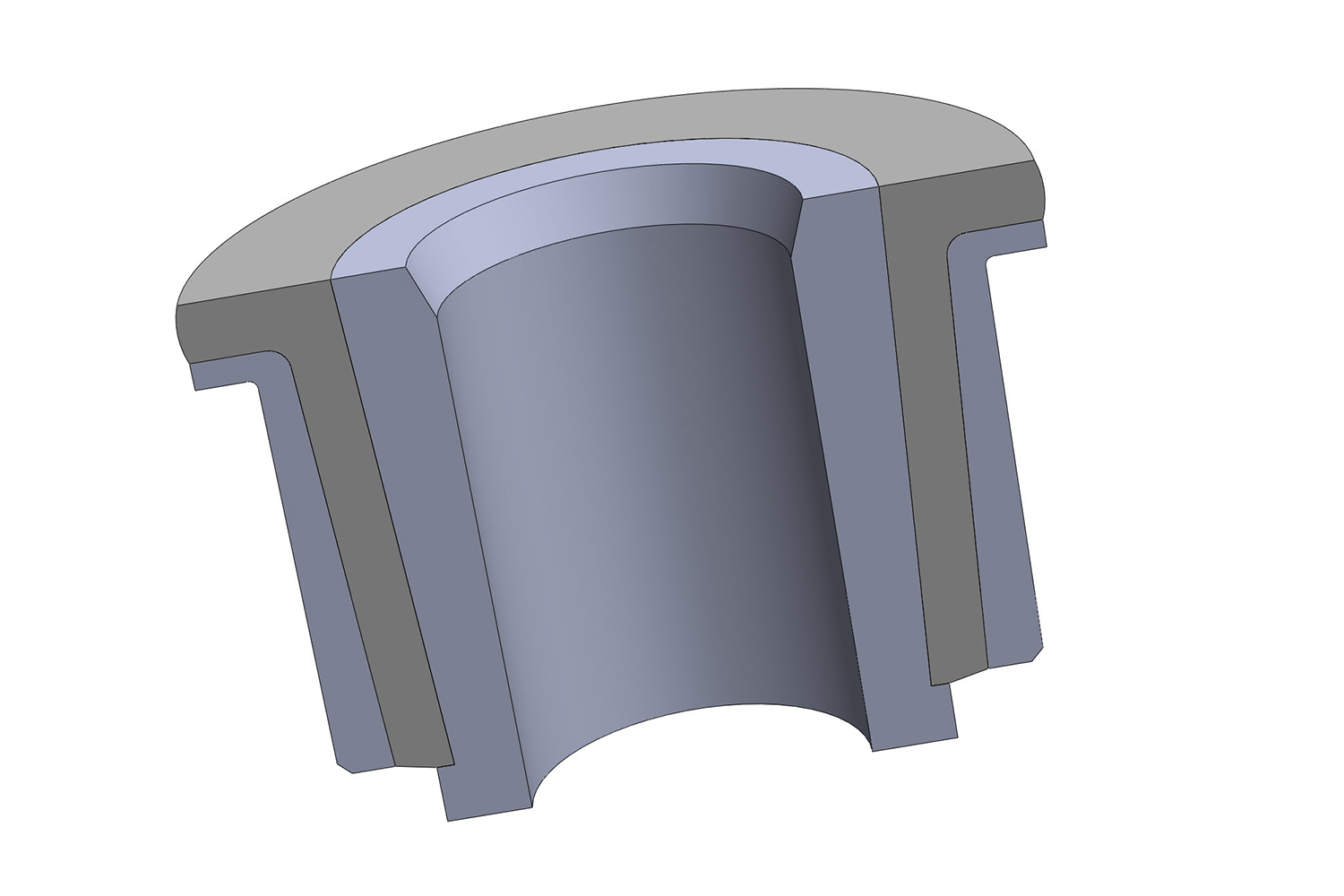
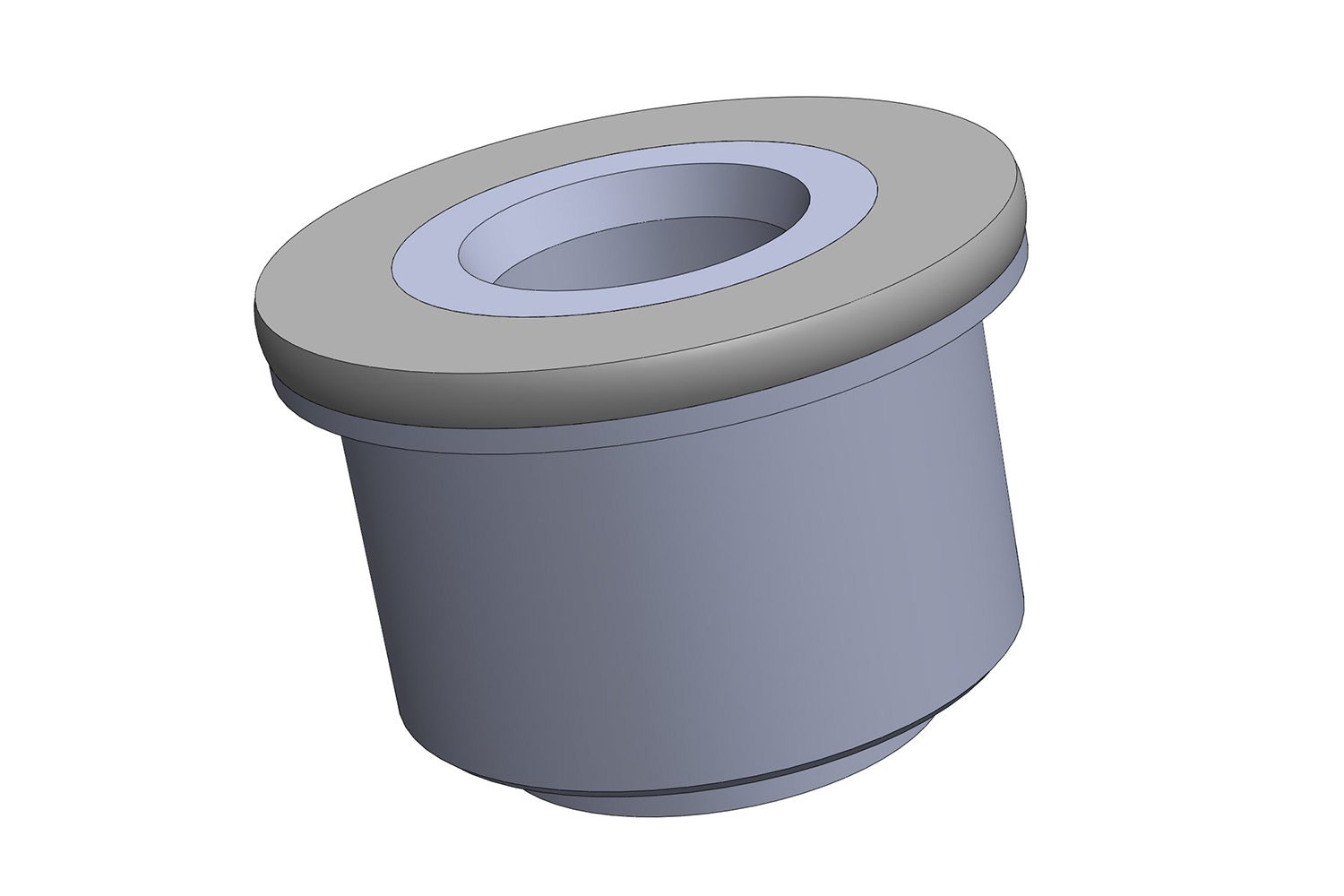
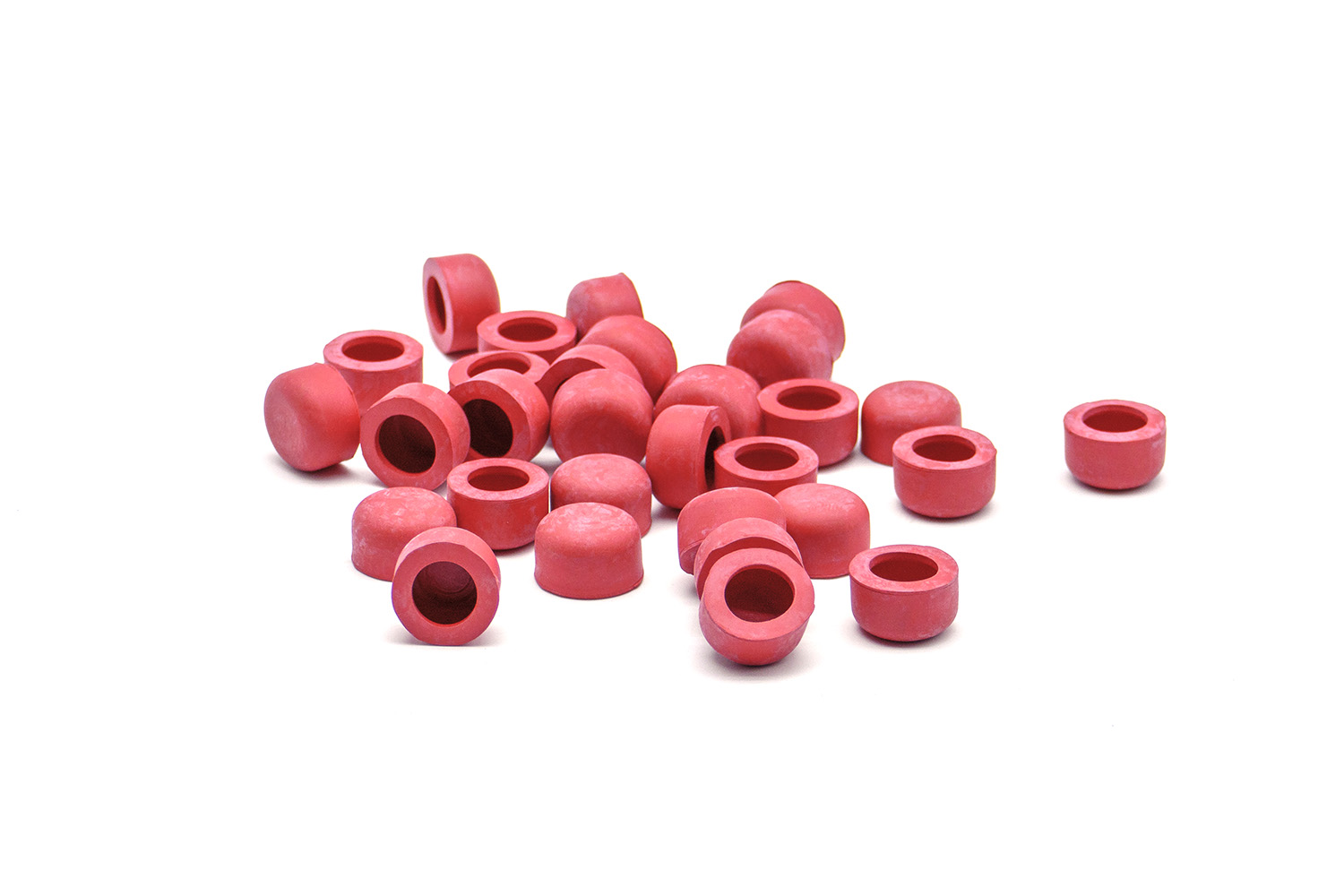
Moulded Parts_AL-EE_NBR Grease Nipple Cover
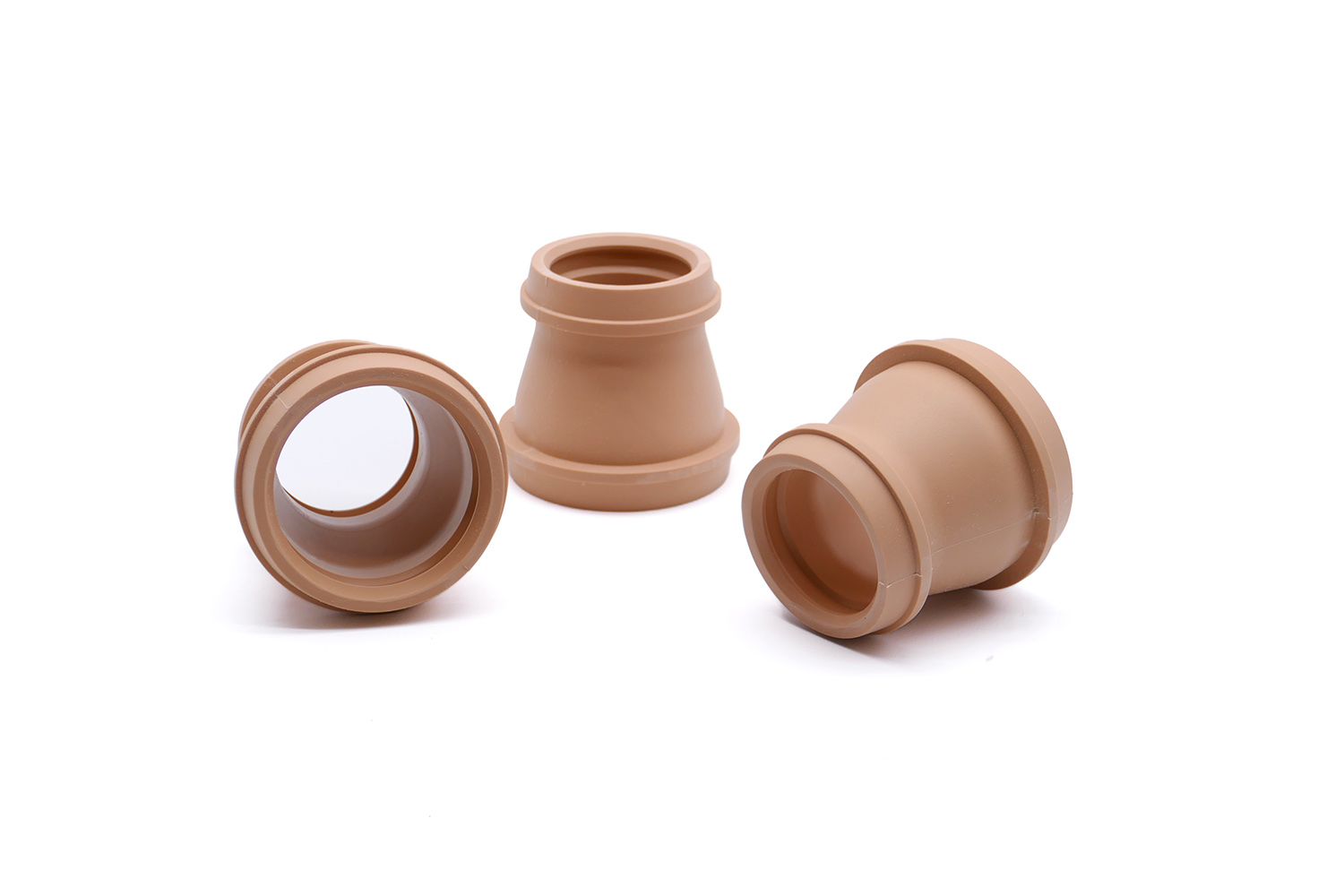
Moulded Parts_AL-EE_H-NBR_Food Filling
Moulded Parts_AL-EE_NR/NK
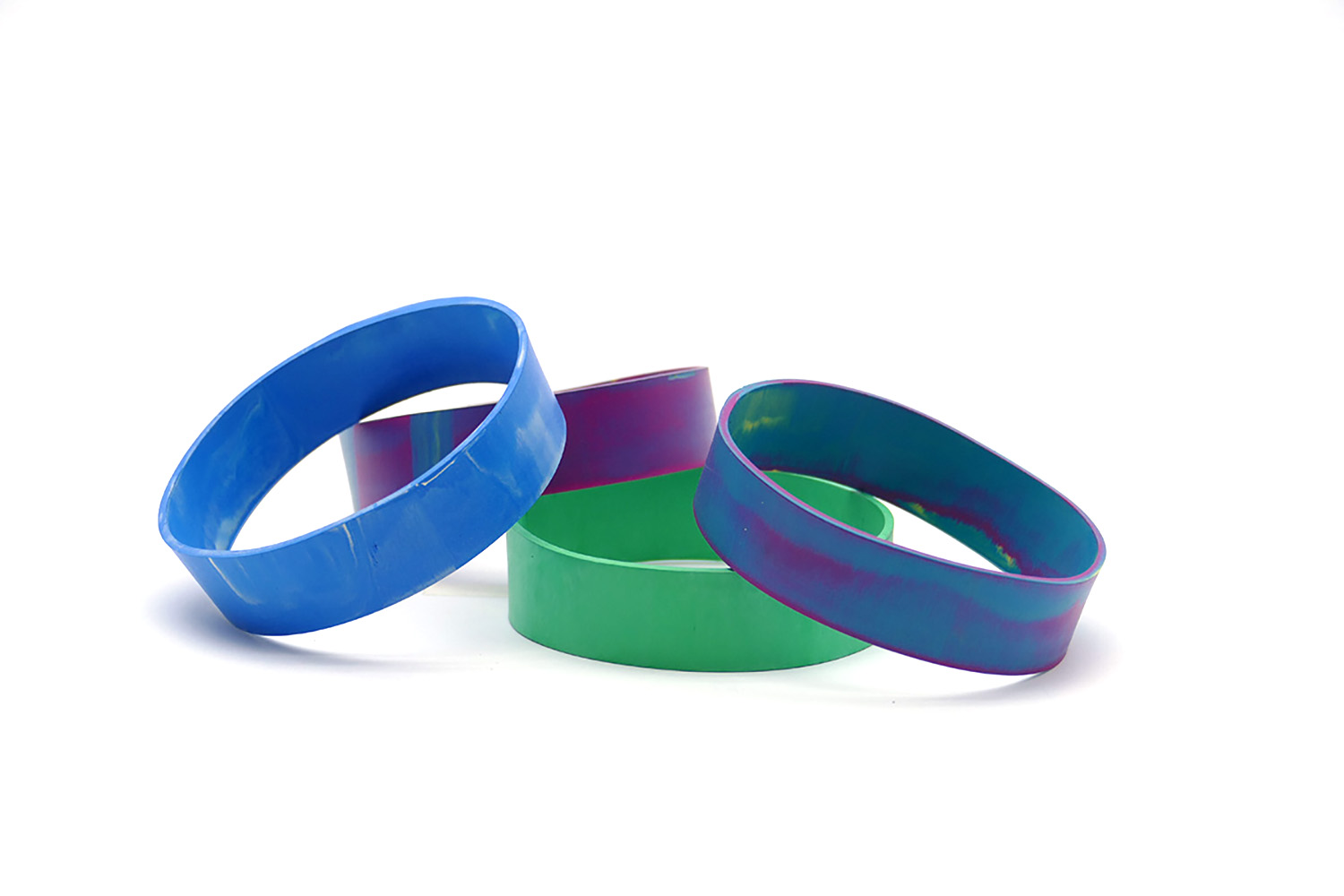
Moulded parts_AL-EE_NR/NK blend
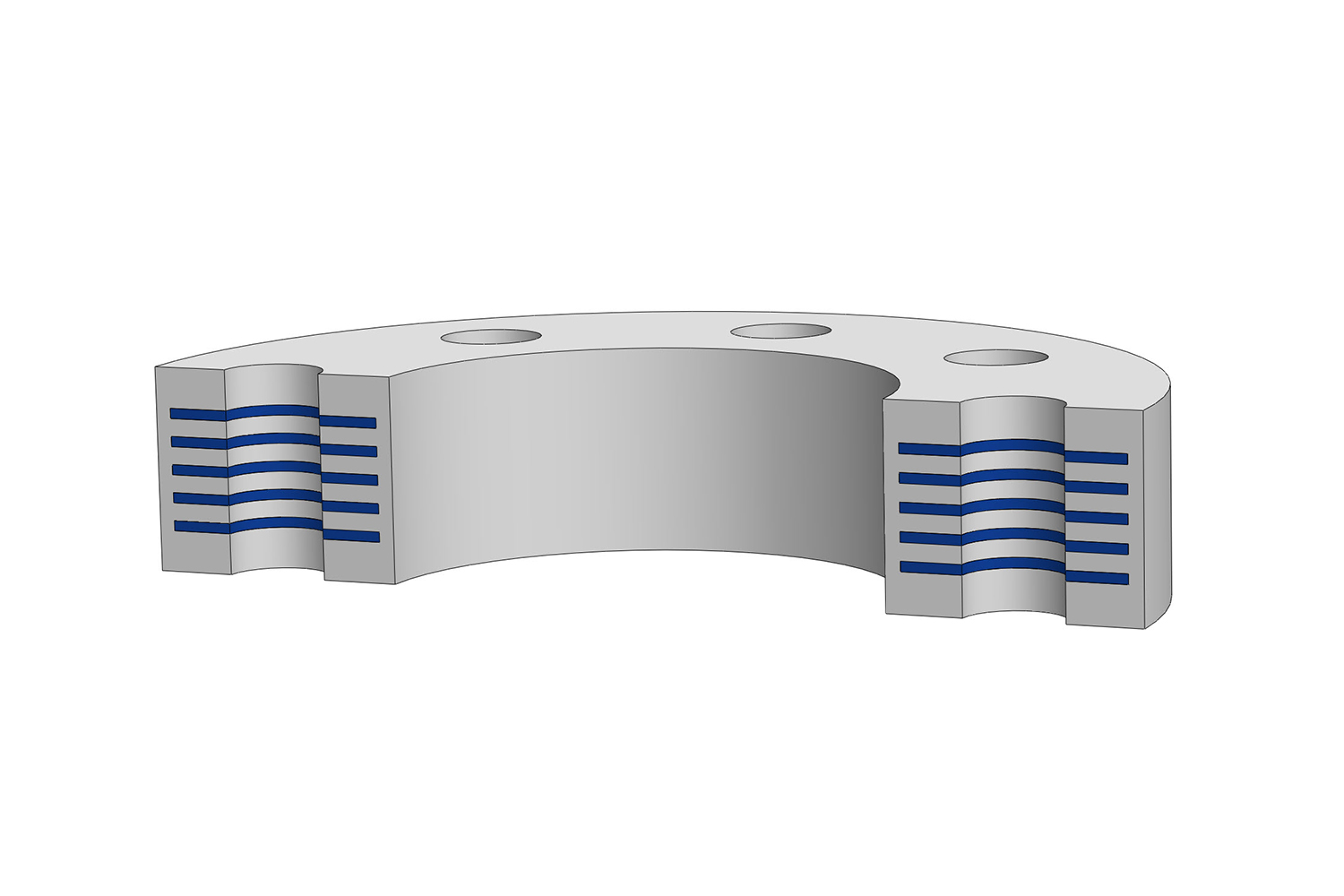
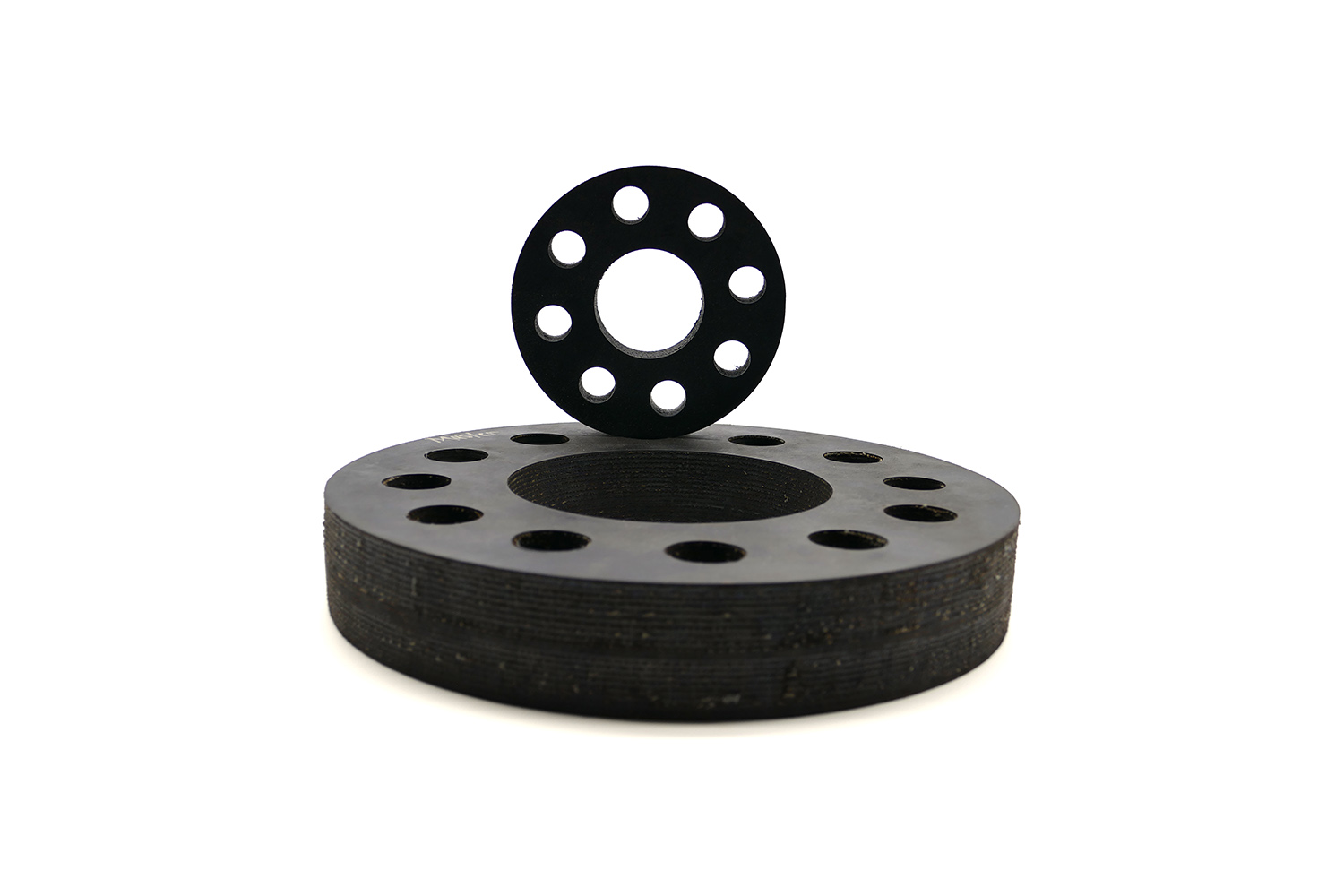
Moulded Parts_AL-EE_Coupling Disc_Rubber-reinforced fabric_with_holes
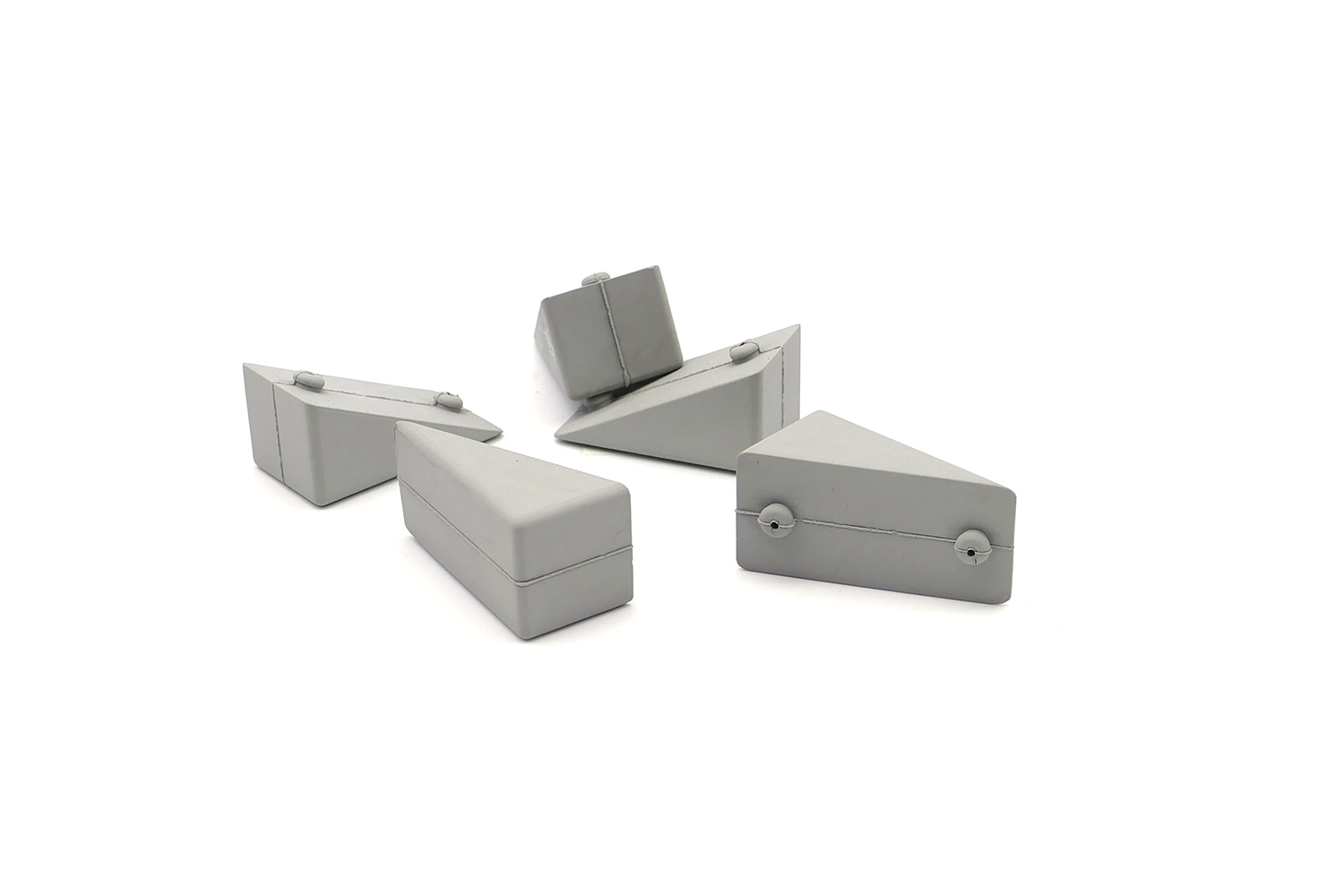
AL-EE_Support-Foot spindle

Our moulded products – bespoke solutions to meet your requirements

Our moulded parts set the standard for precision and quality. We manufacture high-quality moulded rubber components and rubber-to-metal assemblies that are precisely tailored to your individual requirements. Whether with or without fabric reinforcements – our state-of-the-art machinery guarantees high-precision production, optimised by careful manual finishing.

Furthermore, we offer you the option of marking your moulded parts with various identifiers or special customer-specific features as required. Rely on our expertise and state-of-the-art technology to perfectly fulfil your specific requirements.
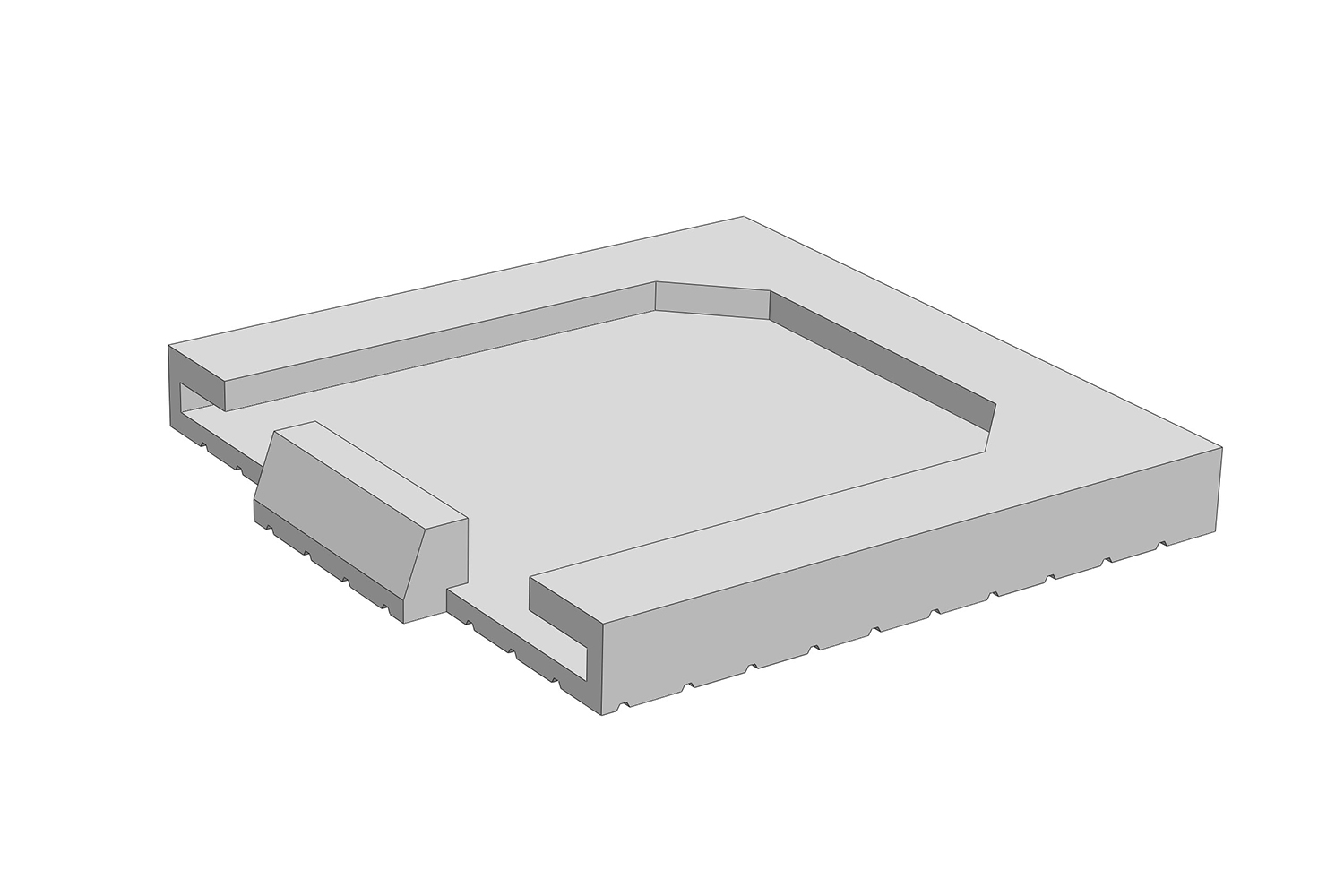
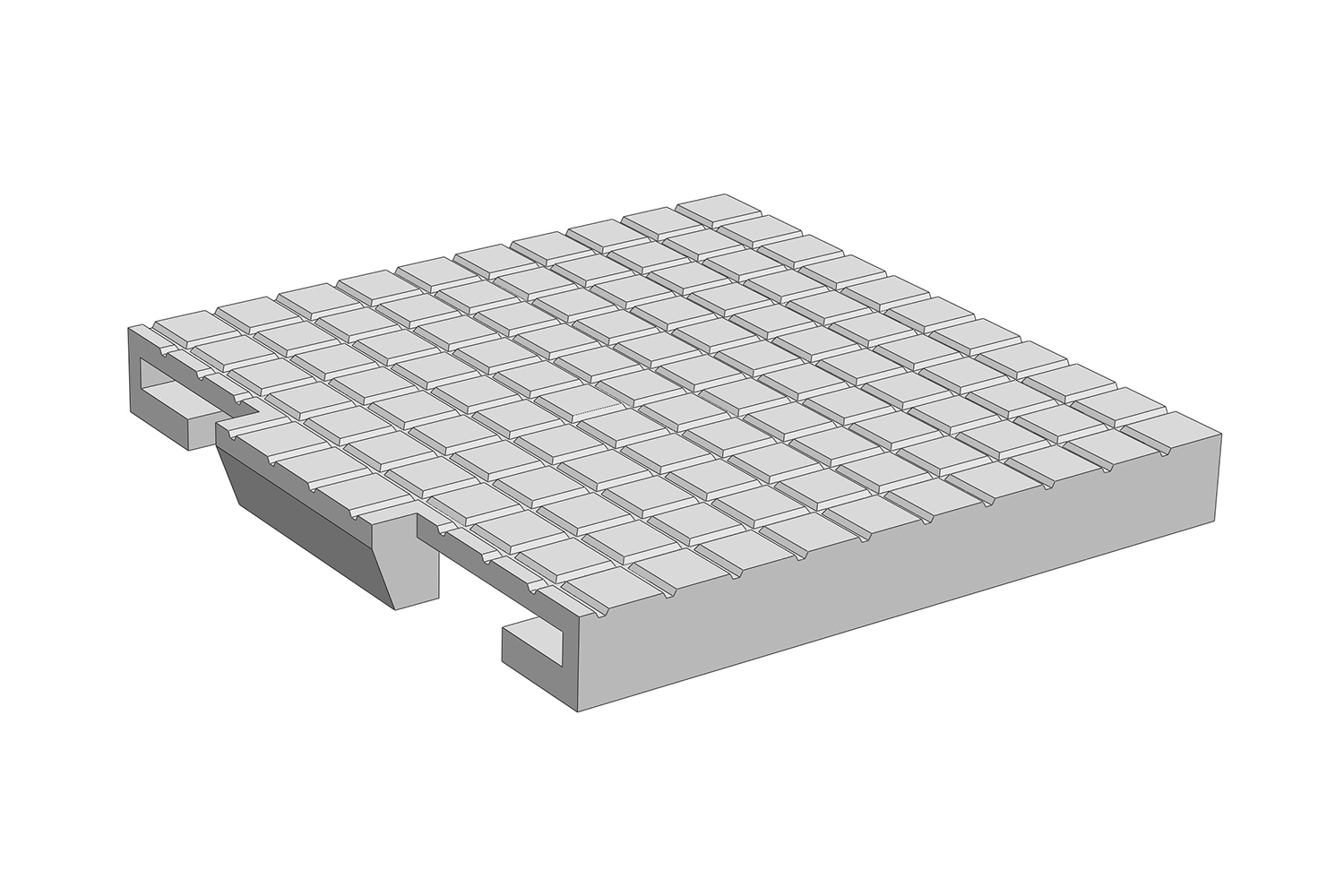
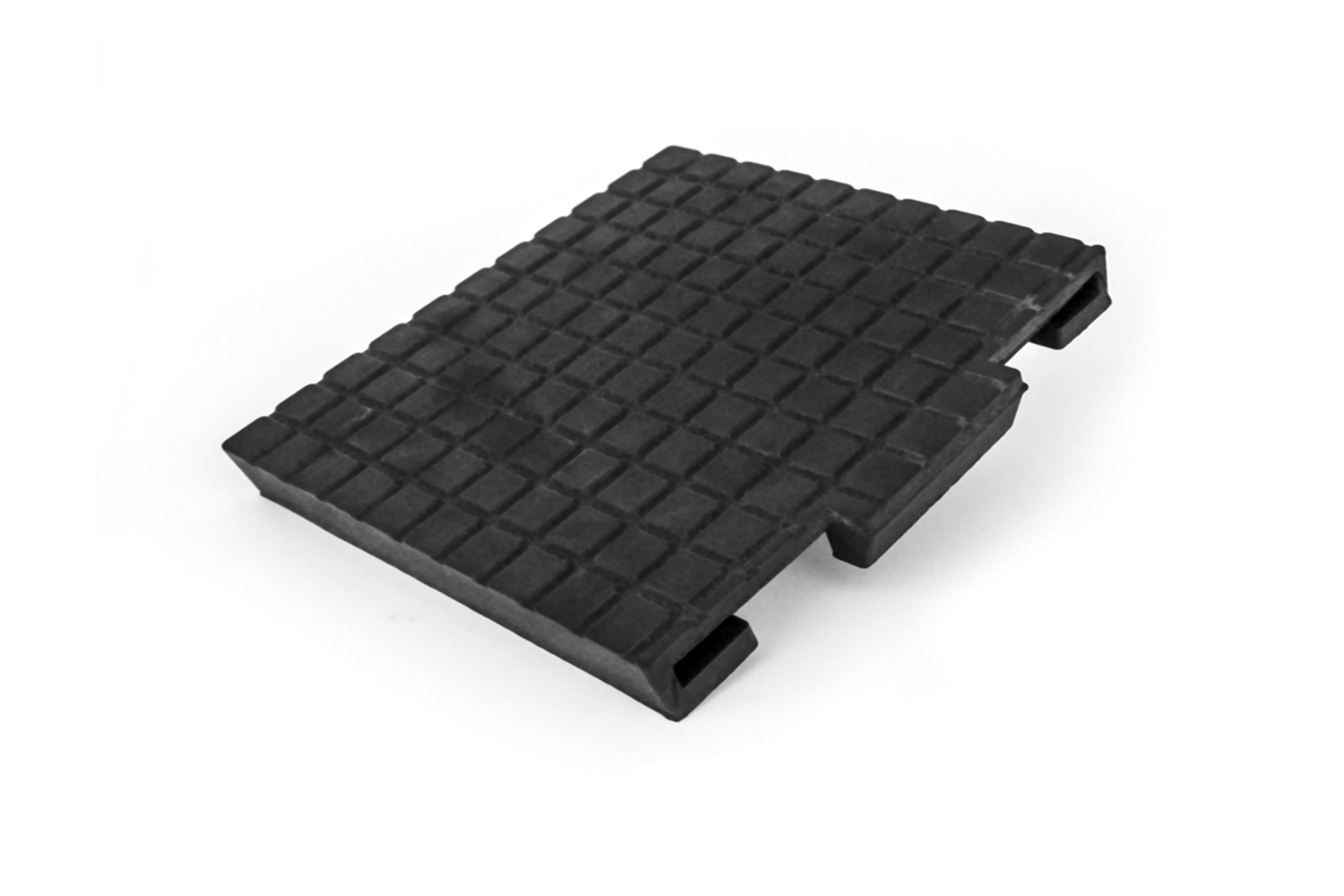
Moulded rubber parts

We manufacture products to the highest standards from a wide variety of elastomers.
Where there are specific requirements regarding material, geometry or precision, we develop and manufacture such components to your specifications or in close collaboration with you.

Thanks to our specialist knowledge and experience in the design of moulded parts, we are able to provide you with the best possible support for your projects.

Rubber-Metal compounds

Rubber-to-metal joints are effectively used for damping and isolating vibrations and noise, as well as for elastic mounting and decoupling.

We offer an extensive range of materials and hardness grades to meet your requirements. Please get in touch; we’ll be happy to help you with your project.

Rubber-Composite parts

By ‘rubber composite parts’, we primarily mean rubber-plastic composites. They are used in a variety of applications.

Combining different materials presents a particular technical challenge for development and production.

Precise preparation of the substrate materials and the careful selection of the optimal combination of rubber compounds and adhesive systems guarantee the best possible result: stability, functionality and operational reliability, even under high loads.
Our technicians would also be happy to discuss the optimal bond for your specific application with you.

Compression-Moulding

Compression moulding, or the pressing process, is regarded as a traditional manufacturing technique for producing rubber components. A suitable quantity of uncross-linked rubber compound is placed into a heated vulcanising mould. The mould is then sealed under pressure in a press. The pressure and temperature cause the compound to soften, flow and fill the mould cavity, thereby vulcanising the moulded part.

Transfer-Moulding

Transfer moulding is an injection moulding process in which the rubber compound placed in the upper part of a vulcanising mould is injected into the mould cavities through channels as the press closes. Compared with the conventional pressing process, vulcanisation times are reduced, as the rubber compound is further heated by the frictional heat generated during injection.

Injection-Moulding

In the injection moulding process (injection moulding) for rubber moulded parts, the rubber compound is preheated to 80–100°C and plasticised in the screw assembly of an injection moulding machine before being injected into the heated mould via sprue channels. Depending on the design, a distinction is made between horizontal and vertical machines. The injection process takes place either by the screw moving within the barrel or via a separate injection cylinder.

MaterialMoulded parts

  • CR (chloroprene rubber)
  • EPDM (ethylene-propylene-diene rubber)
  • FEPM – Aflas ® (tetrafluoroethylene-propylene copolymer rubber)
  • FFKM (perfluoroelastomer)
  • FKM – Viton® (fluorinated rubber)
  • HNBR (hydrogenated NBR)
  • IIR (butyl rubber)
  • NBR (acrylonitrile-butadiene rubber)
  • NR (natural rubber)
  • SBR (styrene-butadiene rubber)
  • VMQ (methyl vinyl silicone rubber)