Pigging technology

Molch_for_Molch_Technology_AL-EE_Examples-1

Pigging systems for the cleaning and maintenance of pipework

Pigging systems are cleaning and maintenance systems that have been specially developed to clean pipelines, carry out maintenance tasks or make the transport of products more efficient.

They are used in a wide range of industrial applications, particularly in the oil and gas industry, as well as in the chemical, food, beverage and water sectors.

Benefits of pigging
– Extended service life of pipelines.
– Minimisation of operational downtime and costs.
– Improved safety through early detection of damage.
– Ensuring product quality in sensitive industries.

Thanks to their versatility, pigging systems offer an indispensable solution for the maintenance and improved efficiency of industrial pipework systems.

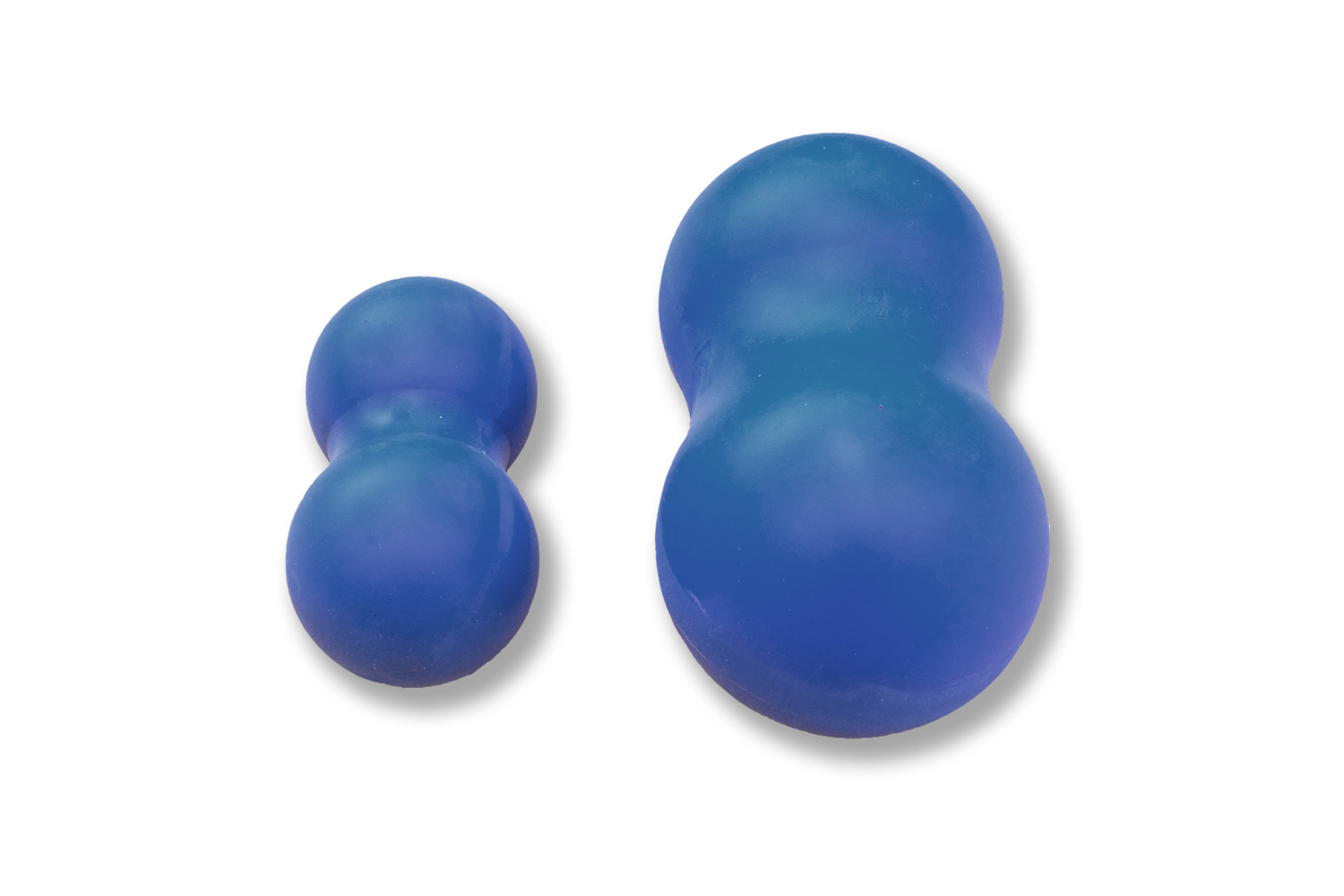
Cleaning pigs | Separating pigs

Cleaning pigs

– Hygiene-related cleaning, e.g. in dairies or breweries

– Removal of deposits, dirt, paraffin, rust or other residues from the inner walls of pipework.

– Improving flow and system efficiency.

Separation pigs

– Separation of different products being transported through the same pipeline to prevent mixing – e.g. different types of liquids in the food and drink industry or in the paint and varnish industry

– Ensuring product purity

Many other types and designs: simply send us your enquiry, detailing your specific requirements, with the subject line “Enquiry: Pigging system” to info@al-extrusion.de.

Compression-Moulding

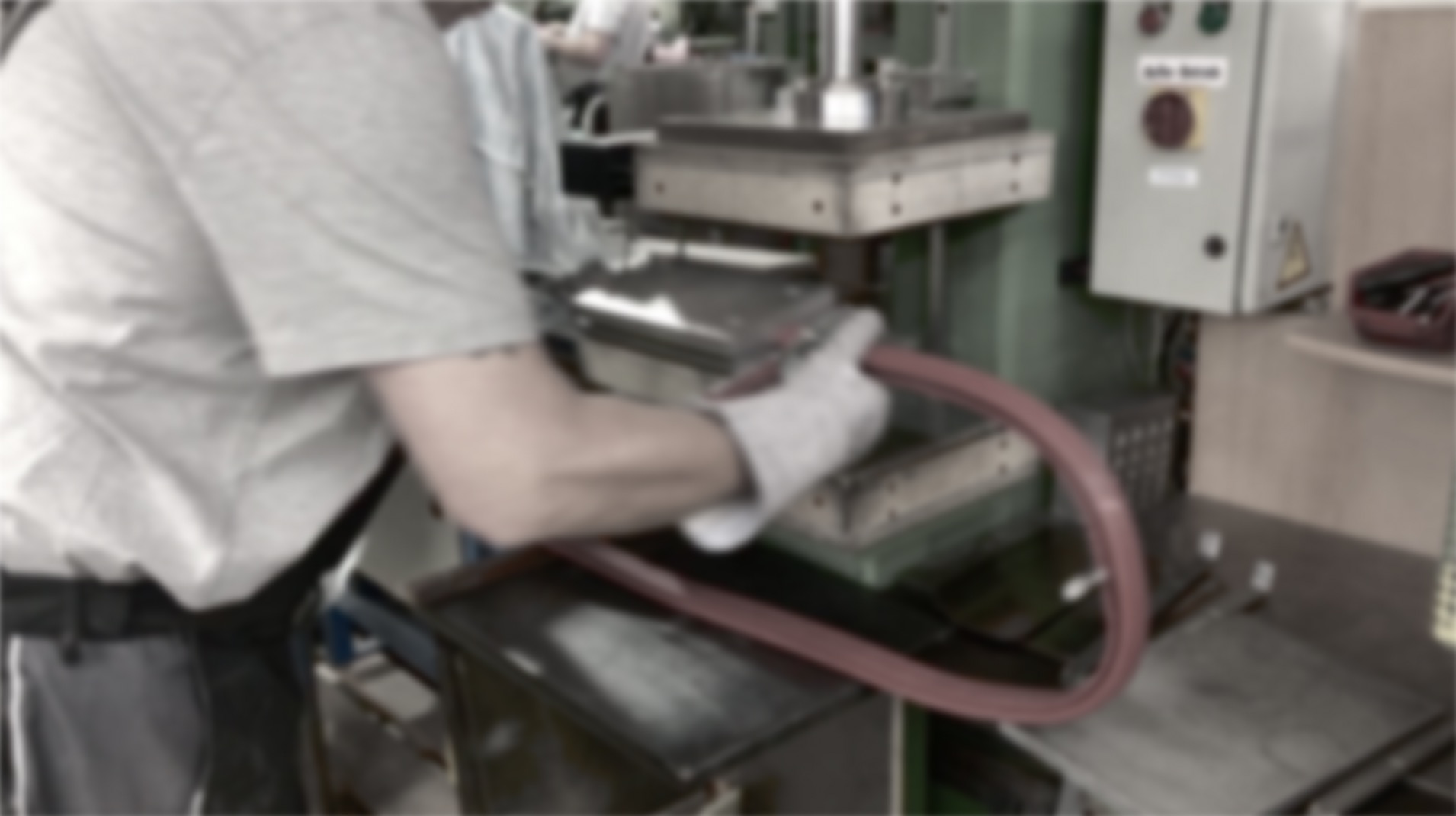
Compression moulding is regarded as a traditional manufacturing process for producing rubber components. A suitable quantity of uncross-linked rubber compound is placed into a heated vulcanising mould. The mould is then sealed under pressure in a press. The pressure and temperature cause the compound to soften, flow and fill the mould cavity, thereby vulcanising the moulded part.

Transfer-Moulding

Transfer moulding is an injection moulding process in which the rubber compound placed in the upper part of a vulcanising mould is injected into the mould cavities through channels as the press closes. Compared with the standard pressing process, vulcanisation times are reduced, as the rubber compound is further heated by the frictional heat generated during injection.

Injection-Moulding

In the injection moulding process (injection moulding) for rubber moulded parts, the rubber compound is preheated to 80–100°C and plasticised in the screw assembly of an injection moulding machine before being injected into the heated mould via sprue channels. Depending on the design, a distinction is made between horizontal and vertical machines. The injection process takes place either by the screw moving within the barrel or via a separate injection cylinder.

MaterialsPigging technology

  • CR (chloroprene rubber)
  • EPDM (ethylene-propylene-diene rubber)
  • FEPM – Aflas ® (tetrafluoroethylene-propylene copolymer rubber)
  • FFKM (perfluoroelastomer)
  • FKM – Viton® (fluorinated rubber)
  • HNBR (hydrogenated NBR)
  • IIR (butyl rubber)
  • NBR (acrylonitrile-butadiene rubber)
  • NR (natural rubber)
  • SBR (styrene-butadiene rubber)
  • VMQ (methyl vinyl silicone rubber)